Best Time to Visit Scotland


January: Scotland Wakes Up Slowly, and So Will You
January in Scotland feels like the country has collectively decided to spend the month wrapped in a blanket. Days are short, nights are long, and the landscapes look like a moody oil painting someone spilt ice over.
But here’s the magic: the Highlands under frost are stunning, quiet, vast, haunting. Cities are calm after Hogmanay, distilleries are warm and welcoming, and you’ll find cheap and plentiful accommodation because you’re the only person bold enough to be here. Brave soul.
February: Winter… But With Better Lighting
February is basically January with optimism. The days stretch out ever so slightly, enough to trick you into thinking, “Aye, spring’s on its way.” Just don’t get too cocky; it’s still cold. But on a clear day, Scotland is breathtaking: snow-dusted hills, glassy lochs, and sunsets that turn the sky full Highland cow ginger.
Valentine’s trips feel extra romantic here, partly because you’ll be cuddling for warmth, partly because the countryside looks straight out of a fairytale.
March: The Great Defrosting Begins
By March, Scotland starts shrugging off winter like a big woolly jumper. Crocuses pop up, birds get chatty, and tourism is still quiet enough that you can get photos of Edinburgh without half of the world in the background.
It’s the perfect month for travellers who want a bargain but also want to see the place in actual daylight. And if the weather is chaotic? Well, now you’re getting the authentic experience.
April: The Underdog Month That Often Outshines Summer
Locals won’t admit it, but April is secretly one of the best times to visit. The air is fresh, the skies behave themselves more often than not, and the countryside goes full pastel-coloured postcard.
Edinburgh’s Beltane Fire Festival lights up Calton Hill with drums, flames, nymphs, and enough theatrical energy to power the National Grid. Meanwhile, lambs appear everywhere, looking adorable and slightly confused, a mood we can all relate to.
May: Peak Scotland Without the Peak Chaos
May might just be Scotland’s golden child. The weather is suspiciously pleasant (don’t acknowledge it, you'll scare it away), daylight stretches lazily into late evening, and everything looks lush without being swarmed by midges. The Highland Games kick off, whisky festivals pop up like mushrooms, and coastal cliffs echo with the calls of nesting puffins, tiny birds with big personalities, basically my spirit animal.
If someone asks, “When should I visit Scotland?” this is often the answer.
June: Long Days and Endless Wanderings
June is when Scotland stays up past its bedtime. In the far north, you’ll get something close to midnight daylight, enough to make you wonder whether the sun’s lost track of time. Everything is green, vibrant, and buzzing, including the travellers who suddenly realise they can squeeze three adventures into one day.
Want to watch dolphins near Inverness? Stroll Edinburgh’s Old Town in golden evening light? Kayak on a loch after dinner? Aye, you can do that. Just don’t forget your sunscreen, because the Scottish sun will burn you out of pure spite.
July: Beautiful, Popular, and a Tad Midgey
July is Scotland’s warmest month and also its busiest. Towns brim with families, backpackers, and nature-lovers… and so do some glens, thanks to midges who believe personal space is a myth. But! With long, bright days, outdoor adventures are endless. Think paddleboarding on Loch Lomond, barbecues on the beach, island hopping, wild swimming, and music festivals. It’s energetic, joyful, and a little chaotic, like Scotland invited the world to a garden party and everyone showed up at once.
August: The Month Edinburgh Loses Its Mind (In the Best Way)
If July is busy, August is Scotland on caffeine. Edinburgh transforms into the world's largest arts festival. Every pub, lane, venue, basement, cupboard, and broom closet becomes a stage. The Royal Military Tattoo fills the sky with fireworks. The Book Festival brings literary giants. Fringe performers juggle, sing, dance, scream, and occasionally fall off things, artistic tradition, really.
Elsewhere in Scotland, things are calmer but still lively, with warm days and that soft late-summer glow.
September: The Golden Month
Ah, September. The locals’ favourite. The light turns honey-gold, crowds thin out, and the weather often performs better than it did all summer (classic). It’s harvest time, rutting season for red deer (you’ll hear them shouting across the hills like furry opera singers), and one of the best months for road trips.
If May is Scotland’s golden child, September is the beloved middle child who doesn’t cause drama but quietly excels at everything.
October: Mist, Mood, and Full Cinematic Drama
October is pure atmosphere. Mists cling to glens, forests turn copper, and castles look like they’ve been waiting their whole lives for this lighting. It’s the ultimate “Outlander” aesthetic: dramatic, romantic, mysterious. Sure, it rains more. But honestly? The rain makes it better. Scotland was built for moody weather.
Halloween celebrations here feel ancient and authentic because, well… they are.
November: Cosy Season in Full Swing
November slows everything down. The air gets colder, the days shorter, and the urge to wrap yourself in a giant scarf intensifies. It’s a brilliant budget month: quiet roads, empty trails, peaceful lochs. Migrating birds fill the skies, and pubs glow with fires and folk music.
If you like dramatic landscapes with nobody else around, November’s whispering your name.
December: Frosty Magic and the World’s Best New Year
December in Scotland is twinkly, crisp, and festive. Christmas markets glow, snow dusts the hills, and the night sky can be spectacularly clear. But the real star? Hogmanay. Scotland throws the biggest New Year’s celebration around, fireworks, ceilidhs, street parties, and whisky flowing like a mountain burn.
It’s winter, yes. But it’s a joyful winter.

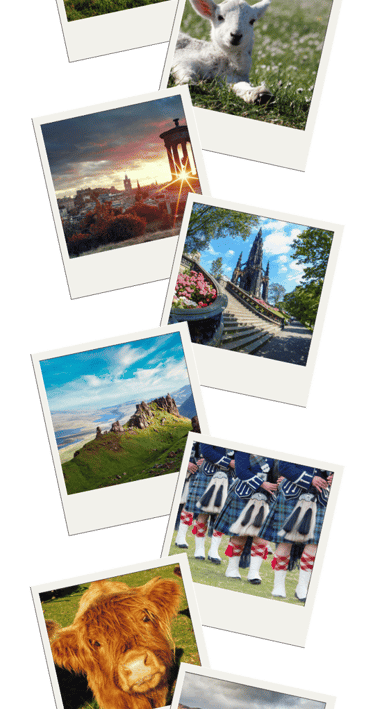
Scotland is gorgeous all year round, but she’s also the sort of place that wakes up in a new mood every morning. She doesn’t give you four seasons, she gives you about seventeen, often before lunchtime. So choosing when to visit isn’t just practical, it’s a borderline survival strategy. Think of this as your friendly, if mildly sarcastic, insider guide through the Scottish calendar.
Grab your imaginary raincoat (just in case) and let’s wander through the year.
So… When Is the Best Time to Visit?
It depends on what visitors want:
For the best overall experience: May or September — the dream team.
For festivals and buzz: August, hands down.
For snow and serenity: January or February.
For brooding Scottish drama: October.
For maximum daylight adventures: June.
For midges: July. Send help.
Scotland doesn’t have a single “best” time; she just shows you different sides of herself each month. And honestly? They’re all brilliant in their own way.
Get In Touch
info@thescottishtourguide.com
+44 (0)7769691551
© 2025 The Scottish Tour Guide