
The Ultimate First-Timer’s Guide to Scotland


The Weather: Beautiful, Brutal, and Fond of Drama
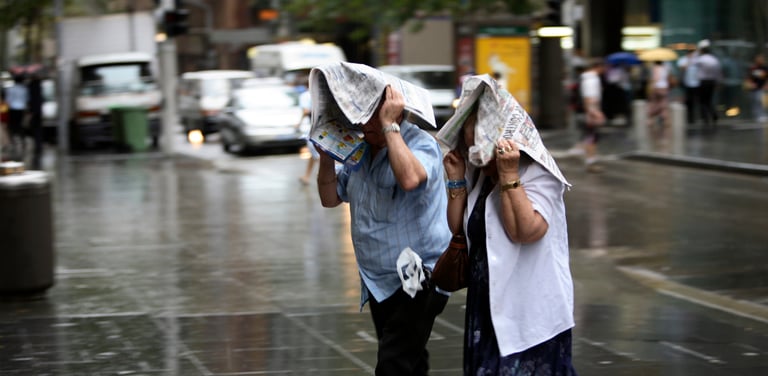
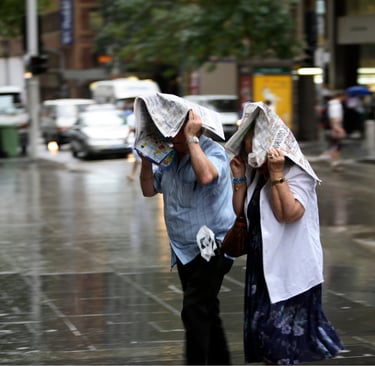
Let’s get this out of the way: Scotland doesn’t “have” weather, it performs it. One minute you’re basking in sunshine like you’re in a VisitScotland advert. The next? Rain that starts bucketing down with “biblical enthusiasm", a rogue wind that questions your core strength, and a cloud that wasn’t there two seconds ago.
If you’re gearing up for your first Scottish adventure… buckle up. Scotland is jaw-dropping, warm-hearted, and occasionally chaotic in a charming “is that raincloud stalking me?” sort of way.
As a private guide, I spend my days witnessing people fall hopelessly in love with this country, right after they’ve recovered from trying to pronounce “Sauchiehall Street” and "Crianlarich." So here’s the guide I wish I could hand every first-timer the moment they land, complete with humour, hard truths, and a few gentle nudges that might just save your holiday.
Driving in Scotland: The Reality No Brochure Will Tell You
Now, let’s discuss driving.
Self-driving in Scotland is marvellous, the freedom, the scenery, the ability to stop whenever a hairy Highland coo wanders into view like an A-list celebrity doing meet-and-greets. But the roads? They’re… shall we say… creatively designed.
Single-track roads with passing places. Blind corners. Sheep with absolutely no respect for traffic laws. And visitors who sometimes freeze in terror at a passing place because they’re not sure if it means “let the car go” or “perform a ritual sacrifice to the road gods.”
But let me give you the truth no car rental desk will share:
1. Our roads are scenic…but wild.
You’ll encounter:
Single-track roads
Passing places
Twisty coastal routes
Sudden potholes
Sheep performing interpretive dance in the middle of the tarmac
Cities vs Highlands: Two Different Worlds, One Country
First-timers often think they know Scotland: castles, kilts, bagpipes, dramatic windswept cliffs. Aye, that’s part of it, but it’s just one side.
From vibrant, bustling cities to rugged landscapes. Scotland is a small country bursting at the seams with history, culture, scenery and magic.
Edinburgh & Glasgow
Perhaps Scotland's most well-known cities. Buzzing with culture, charm, and enough stories to fill a whisky barrel.
Edinburgh is atmospheric and elegant. A blend of the ancient and the modern that you can't help but fall in love with.
Glasgow is warm, vibrant, and will adopt you instantly. Renowned as one of the friendliest cities in Europe, you are guaranteed to make plenty of new pals, but whether you can understand them or not, well, that's a different story.
Edinburgh and Glasgow have their own personalities, one’s a dramatic old soul with fancy architecture, the other’s a warm, buzzing live-wire that’ll hand you a drink and invite you to karaoke within minutes.
The Highlands & Islands
Heading north, suddenly it’s pure wilderness: mountains that look like they’ve been painted, lochs with more legends than locals, and villages where the local shop also seems to be the post office, petrol station, bakery, museum, and social hub.
Skye, Mull, and Harris are all beautiful islands that look like a postcard scene brought to life.
Both sides of Scotland matter. So don’t just plant yourself in the cities and call it a day; get yourself into the wild too. It’s where the magic lives.
Castles: Everywhere, All the Time
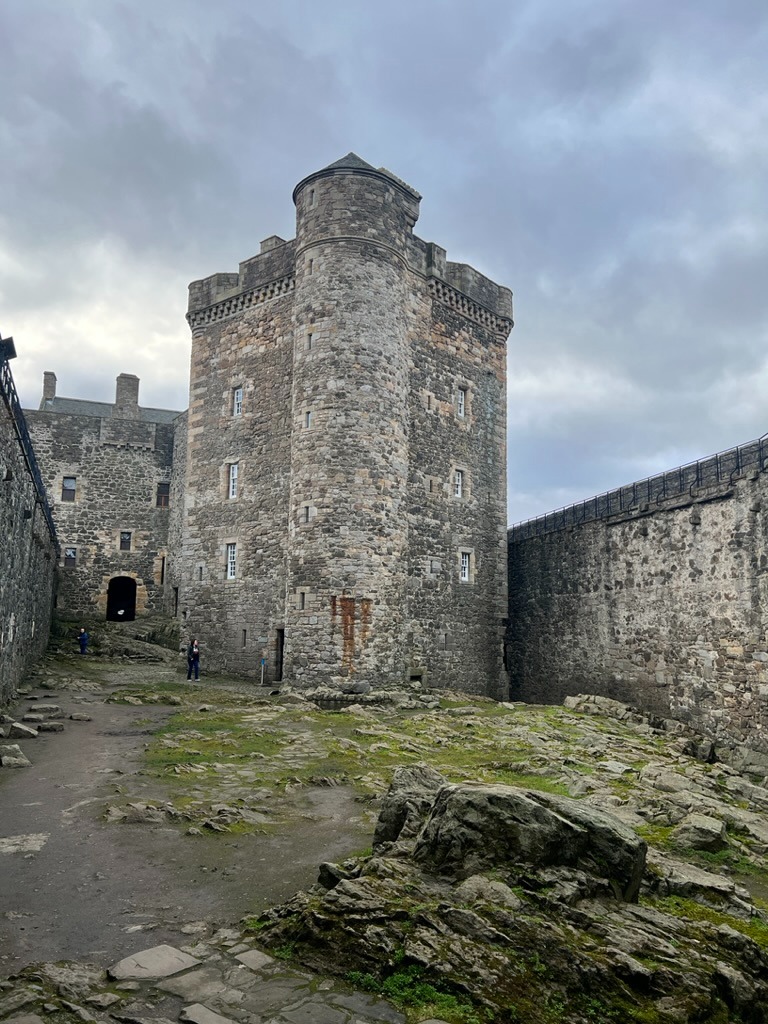
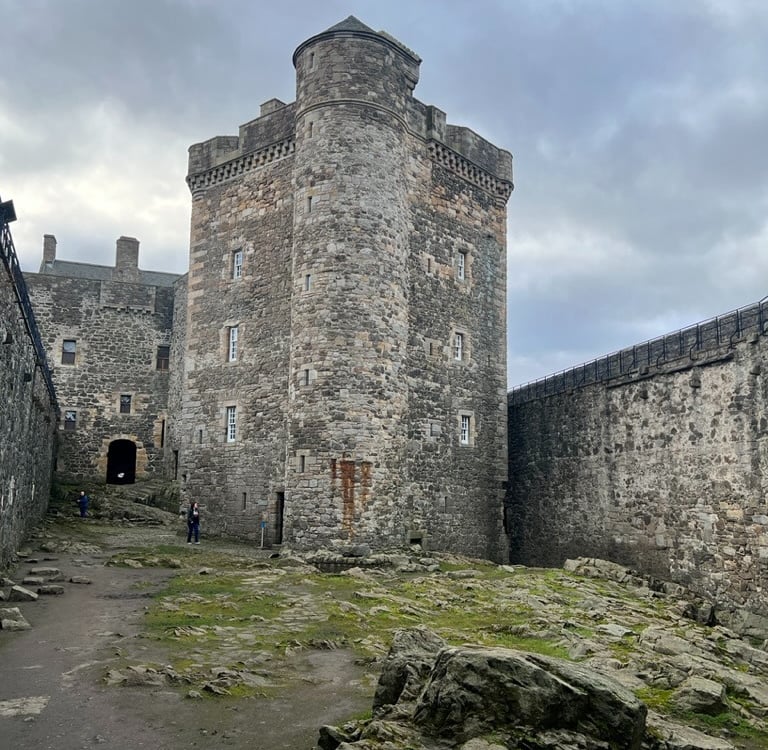
Scotland has so many castles that after a day or two, you’ll stop reacting every time one appears, which is wild, because they pop up like they’re on some medieval jump-scare mission. You’ll be wandering along a quiet glen thinking, “What a peaceful moment,” and suddenly… bam. Castle. Out of nowhere. Looming over a loch like it’s waiting to audition for a fantasy film.
We’ve got the whole spectrum:
Grand, polished palaces where kings once stomped around plotting dramatic things.
Storm-battered ruins clinging to cliffs and looking amazing in moody weather (which is good, because that’s most of our weather).
Tiny tower houses that look like someone started building a castle, got distracted, and wandered off.
Hidden coastal gems reachable only by a wander along a sheep path, where you’ll feel like you’ve discovered some great historic secret.
Food & Drink: Don’t Judge Us by the Haggis (Not Till You've Tried It)
Let’s clear something up straight away: Scotland’s food scene is not the beige, boiled mystery some people imagine. Sure, we have a historic fondness for deep-frying things… but we’ve also become a bit of a culinary powerhouse in the last decade. These days, you can go from a rustic pub pie to a plate of foraged sea herbs prepared by a chef called Ewan who looks like he communes with the forest spirits.
Yes, you should absolutely try haggis; it’s far tastier than your imagination thinks it is, but Scotland’s offerings go way beyond that. We’ve got:
Wildlife: Magical, Majestic, and Sometimes Just in Your Way
One thing first-timers never quite expect is just how alive Scotland is. Our landscapes aren’t empty, they’re busy, bustling ecosystems filled with creatures that look like they were designed by a committee of artists who couldn’t agree on a theme.
Highland Coos (The Ginger Icons)
You will see one. You will take a photo. You may briefly consider abducting it and taking it home (don't!)
These big, gentle fluffballs are Scotland’s unofficial mascots, but remember: they’re livestock, not supermodels. Admire from a safe distance. They may not chase you… But their owner definitely will if you climb a fence.
Red Deer: Lords of the Mountains
Red deer are everywhere in the Highlands, especially around Glencoe and Torridon.
They’ll watch you from ridgelines like brooding mythical guardians, then wander onto the road when you least expect it, the majestic equivalent of someone standing in your way at the supermarket.
At dusk, they gather in groups so dramatic, you’d swear you’ve stumbled into a nature documentary narrated by David Attenborough.
Accents & Banter: You’ll Get Used to It… Eventually
If you're worried about understanding Scottish accents, let me reassure you: every visitor arrives with the same fear, and every visitor leaves having understood far more than they expected… even if they pretend otherwise.
Scotland has a ridiculous range of accents for such a small country. Honestly, you can drive 20 minutes and feel like the entire English language has been rearranged.
Glasgow: Fast, Musical, and Full of Mischief
A true Glaswegian can fit 12 syllables into a 4-letter word. It’s an incredible skill.
Visitors often assume Glaswegians are angry; they’re not. That’s just the decibel level. If a Glaswegian calls you “mate,” “pal,” or “big man,” you’ve been accepted into the family.
And if they say, “Haw, you awright?” Don’t panic. It’s not a confrontation; that’s just them being friendly.
Translate it loosely as:“Hello! What a joy it is to see you. Please join me for a drink.”
Highland Lilt: Gentle, Melodic, and Weirdly Soothing
The Highland accent feels like it’s been filtered through mist and peat. It’s slow, warm, and full of old Gaelic rhythms. It’s also the only accent that can make phrases like “the weather is absolutely miserable” sound comforting, almost poetic.
If you hear “aye, it’s a wee bit breezy,” prepare for a hurricane that may rearrange your skeleton.
Edinburgh: The Enunciated Cousin
Edinburgh folk tend to sound clearer, a bit posher, and slightly theatrical. Perfect for first-timers easing themselves gently into the Scottish audio experience.
But even here, you’ll occasionally hear someone say, “It’s pure baltic,” which just means it’s cold enough to regret your life choices.
The Doric & The Northeast
If you venture into Aberdeen or the northeast, you might encounter Doric, an entire linguistic universe that makes perfect sense to locals and absolutely none to anyone else.
Expect words like:
Fit like? – How are you?
Aye, nae bad. – I’m good.
Foos yer doos? – How’s life? (…roughly.)
If you have a guide with you, don’t worry. I’ll translate before you end up nodding along to what might have been a question about turnips.
Island Voices: Soft, Quiet, and Full of Charm
On the islands, especially the Hebrides, English blends with Gaelic in a way that sounds almost melodic. Time feels slower here, and the accent reflects that.
If someone says “och, you’ll be alright,” that means:
“You’re absolutely not alright, but we’re far too kind to say so.”
Banter: The National Sport
Scotland runs on jokes, sarcasm, and gentle roasting. If a local teases you, congratulations, you’ve been welcomed.
It can sometimes be a challenge to tell the difference between playful banter, genuine advice, and a local talking absolute nonsense just to see if you’ll believe it ("Aye aye, watch out for the wild haggis, they run clockwise round the hills").
But here are a couple of pointers to keep you right:
Pub conversations sound like arguments - They're not, we are just very loud people.
Friendly insults - it means we like you
Hidden compliments - you'll know it when you hear it.
Local idioms - "Did ye, aye?' means "I don't believe you"
Any sentence involving “wee,” which can mean anything literally, depending on tone
You’ll leave Scotland understanding more accents than you ever expected, and with a whole new vocabulary too.


The Pros & Cons of Exploring Scotland Your Way
When you’re visiting Scotland for the first time, you’ve got a few ways to explore, each with its own perks and pitfalls.
Self-driving gives you absolute freedom; you can pull over for every castle, mountain view, or particularly glamorous Highland coo. But it also means wrestling with winding single-track roads, weather mood swings, and navigating places where phone signal is a distant rumour, and GPS gives up and cries. Brilliant for adventurous souls; stressful for nervous drivers.
Big bus tours run by large companies remove all the planning and driving stress, though the trade-off is fixed schedules, crowded viewpoints, and exploring Scotland with forty strangers, at the pace of the slowest person on board. These are great if you like structure, less great if you want spontaneity or solitude.
Private guiding offers the sweet spot: flexibility, comfort, and local knowledge. You will be with someone who knows how to dodge both traffic jams and large crowds, can adapt the itinerary at a moment's notice, tell stories, and handle any sheep-related negotiations.
But here’s a wee insider truth: booking a private guide through platforms like Viator or Get Your Guide often adds 20–30% in fees, gives you little or no contact with your guide beforehand, and offers minimal protection if a less-than-stellar operator simply doesn’t turn up.
And suppose you do love the independence of self-driving, but still want your trip to actually make sense. In that case, The Scottish Tour Guide offers a bespoke route-planning service: personalised itineraries, hotel and food recommendations, realistic timings, and tailored suggestions based on what you want from the trip. Even better, if you later decide to book a private tour instead, the entire planning fee is deducted from the final price, no money lost, just more Scotland gained.
Final Thoughts: Bring Curiosity, Good Boots, and a Sense of Humour
If there’s one thing I’ve learned guiding first-time visitors around Scotland, it’s this: the people who have the best time aren’t the ones with perfectly colour-coded spreadsheets, they’re the ones who let the country surprise them, because this country will surprise you! The weather will laugh in your face, the landscapes will leave you speechless, and the sheep will judge you...hard. But that’s all part of the magic.
Whether you’re behind the wheel yourself or sitting back while a guide navigates the twisty roads, what matters most is that you look up, slow down, and let the country show itself to you at its own pace.
You’ll find beauty in places you weren’t expecting:
A quiet glen with not another soul in sight.
A tiny bakery in a village you can’t pronounce.
A castle ruin, glowing gold in the evening light.
A conversation with a stranger who feels like a friend by the end of it.
Scotland has a way of settling into your bones: the fresh Highland air, scenic lochs, and the sound of laughter echoing from a busy pub. Even the drizzle feels oddly poetic once you’ve accepted that your hair will never look normal again. And here’s the thing: nobody comes to Scotland just once. Your first visit is simply the beginning, the country sticks with you, pops into your head on random Tuesday afternoons, and whispers, “You’re no’ done yet, pal.”
So bring an open mind, your sturdiest boots, and a good sense of humour. Scotland will take care of the rest
2. Passing places cause existential confusion.
Visitors often panic at their first passing place, like it’s a really tricky maths problem. Should they wait? Move? Cry? Reverse? Choose a new life path? The general rule of thumb is that if the nearest passing place is on your side of the road, you pull in. Stick with that, and you should be ok. Oh, and never, EVER park in a passing place, unspeakable evil shall befall anyone who does!
If you’re confident and up for the challenge, go for it. It’s unforgettable. Self-driving is wonderful. The freedom! The vistas! The “oh look, sheep taking a nap in the middle of the road!” moments!
If you're not so confident, then a private tour lets you enjoy the views without any of the white knuckle stress. We handle the sheep diplomacy, reverse-gear negotiations, and the occasional “oh no, that campervan has no idea what it’s doing” standoff.
Not a sales pitch, just the wisdom of someone who’s had to rescue drivers stuck behind coos more times than she can count.
Everything moves a little slower here, not because Scots are relaxed (though we are), but because going any faster would launch you off a cliff.
Puffins: Small Birds, Big Personalities
If you're visiting in spring or summer, you might see puffins on places like Staffa, Lunga, the Isle of May, or the far north cliffs.
They’re adorable wee clowns with orange feet and zero dignity when taking off. Visitors go absolutely wild for them, and rightfully so. Just be respectful: puffins are sensitive wee souls, and guided wildlife trips help protect their nesting grounds.
Seals, Dolphins & The Occasional Orca
Our coastline is teeming with life. In places like Chanonry Point or the Moray Firth, you can spot bottlenose dolphins that seem to enjoy showing off for tourists.
Harbour seals sunbathe on rocks looking like bloated sausages (it’s part of their charm), and if you’re incredibly lucky, and the sea gods are in a good mood, orcas have been sighted around Shetland, Orkney, and occasionally the west coast.
Birdlife: More Feathers Than You Bargained For
Scotland is a twitcher’s paradise. Golden eagles soar above the mountains like airborne royalty. White-tailed sea eagles flap past with a wingspan the size of your rental car.
And if you’re on a private tour, I can take you to the quiet glens where these giants live, without you accidentally wandering onto a bog that will swallow your shoe whole.
Sheep: The Real Rulers of the Road
You will meet sheep. Many, many sheep. On roads, beside roads. Confidently asleep across roads.
If you’re self-driving… well, let’s just say you’ll learn patience quickly. If you decide to hire a guide, then don't worry, we're well-versed in sheep negotiation tactics; it's an essential part of guide training.


Visitors often ask what they should pack. My answer: Layers, waterproofs and a sense of humour. The trick isn’t predicting anything; it’s being prepared for everything! Spare socks and an adaptable attitude are worth their weight in gold. Especially when the rain starts bucketing down with “biblical enthusiasm.”
Your day may look like:
Sunshine
Mist
Rain
Wind
Existential dread
Sunshine again
And all before you’ve finished your morning coffee.
And because there are so many, visitors often get a condition I lovingly call “castle fatigue”, that moment you catch yourself saying, “Oh look, another 14th-century fortress… anyway.” On a private tour, part of my job is preventing that. I’ll help you pick a balanced selection: the iconic must-sees, the quieter local treasures, and the photogenic showstoppers that make your friends back home accuse you of using AI.
Plus, castles aren’t just pretty stone lumps; they’re packed with stories: clan feuds, royal scandals, ghost sightings, architectural quirks, and the occasional resident peacock who thinks they own the place. And if you’ve got the patience for it, I’ve got enough castle tales to talk your ears off from Edinburgh to Skye.
And then there’s whisky, Scotland’s beloved golden nectar. It’s powerful, complex, and likely to convince you that buying a tartan scarf is a deeply spiritual decision. Distillery visits are a rite of passage, and each region has its own character: smoky Islay malts, fruity Speyside drams, Highland beauties that taste like campfires and caramel had a baby.
Come hungry. Scotland rewards the enthusiastic eater.
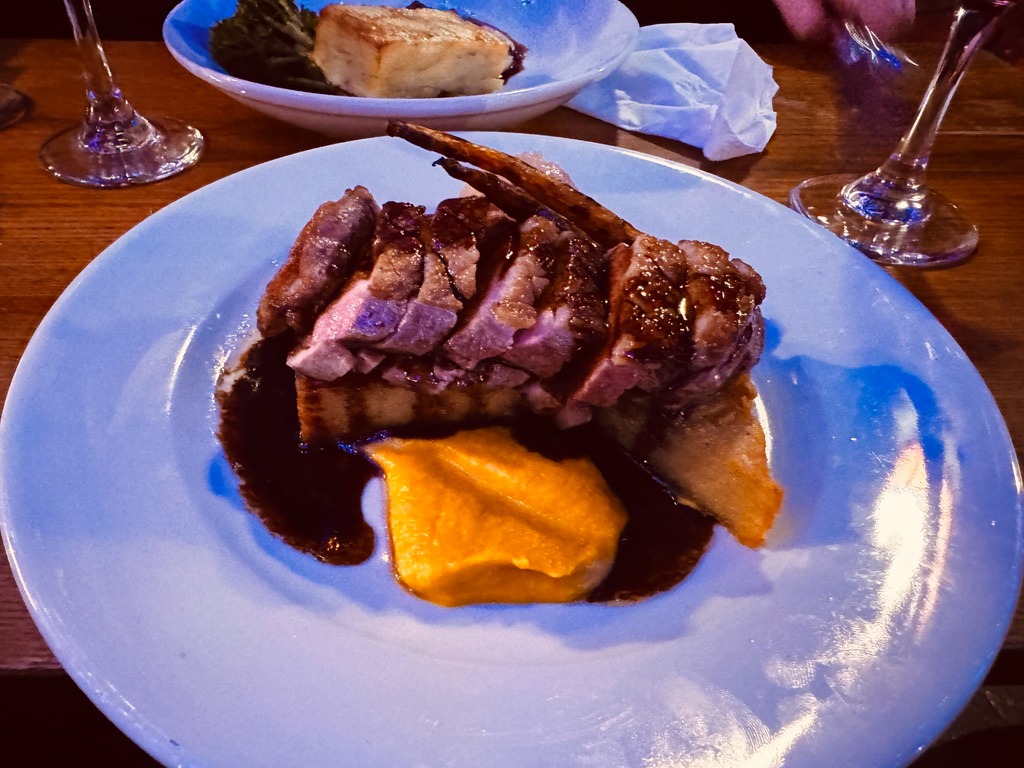
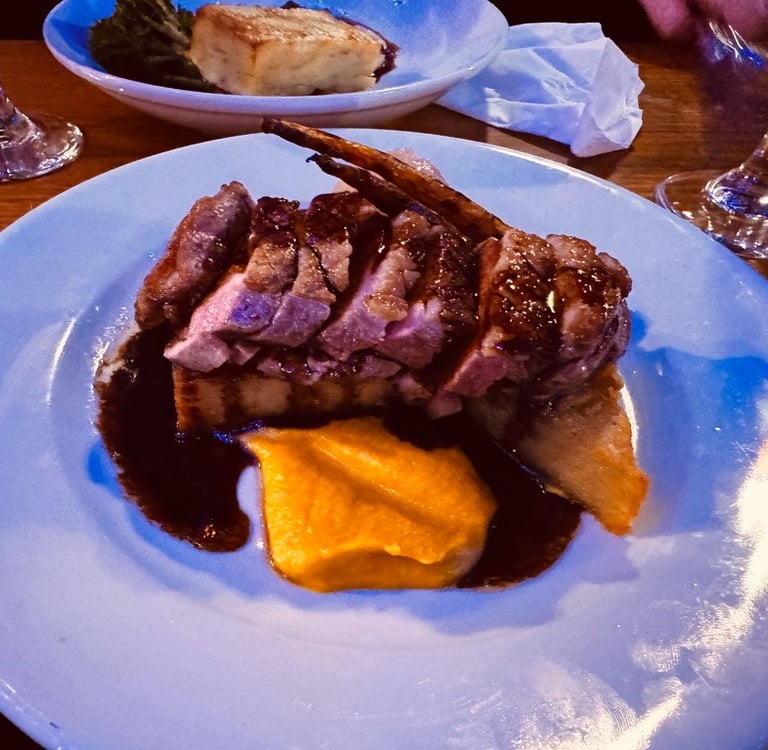
Seafood so fresh it basically checks you in for your reservation - scallops from Mull, langoustines from Skye, salmon from rivers that look too pretty to be real.
Hearty pub classics like steak pies, Cullen skink, fish suppers, and macaroni pies (don’t judge it till you’re hungry and it’s raining).
Insanely good bakeries, especially in the Highlands and islands, where a simple scone can emotionally ruin you for all future scones.
A booming restaurant scene, from Edinburgh’s fine dining spots to tiny rural eateries serving meals that taste like someone’s gran trained at Le Cordon Bleu.
Get In Touch
info@thescottishtourguide.com
+44 (0)7769691551
© 2025 The Scottish Tour Guide