
Scotland Without a Car: Public Transport, Tours & What’s Possible
Visiting Scotland without a car? A realistic, detailed guide to cities, trains, travel in the Highlands, and driving when it really matters.
FIRST-TIME VISITOR GUIDESCOTLAND TRAVEL GUIDESTRIP PLANNING
Every year, thousands of people plan a Scotland trip armed with optimism, Google Maps, and a quiet dread of driving on the left. Somewhere between booking flights and watching videos of single-track roads with passing places, the same question pops up:
“Can we do Scotland without hiring a car?”
The honest answer is yes. The useful answer is yes, if you understand what Scotland is like once you leave the cities.
This isn’t a warning. It’s not a sales pitch. It’s simply how the country works.
Scotland isn’t big, but it’s rugged, stretched out, and stubbornly uninterested in being rushed. Public transport exists almost everywhere, but that doesn’t mean it behaves the way visitors expect it to. If this is your first visit to Scotland, that difference matters more than anything else.
How Scotland Actually Works Without a Car
Scotland’s transport system wasn’t designed for tourists doing looped road trips. It was designed to connect communities, and it does that well, just not quickly or regularly in rural areas.
In cities, transport is frequent and forgiving. Miss one bus, and another will be along shortly. Trains run regularly. Walking is often faster than you expect.
Once you head into the Highlands, the rules quietly change. Services thin out. Distances stop being measured in miles and start being measured in time. A place that looks close on the map might involve half a day of careful connections. This is where many visitors benefit from help planning a realistic route, rather than trying to wing it.
That doesn’t mean it’s impossible; it just means Scotland rewards slow, thoughtful travel and punishes overconfidence. If you’ve ever wondered why locals raise an eyebrow at ambitious itineraries, this is why.
Cities: Where Car-Free Travel Feels Effortless
If your Scotland trip includes cities, especially at the start, you’re already winning.
Edinburgh
Edinburgh is the easiest place in Scotland to visit without a car, full stop!
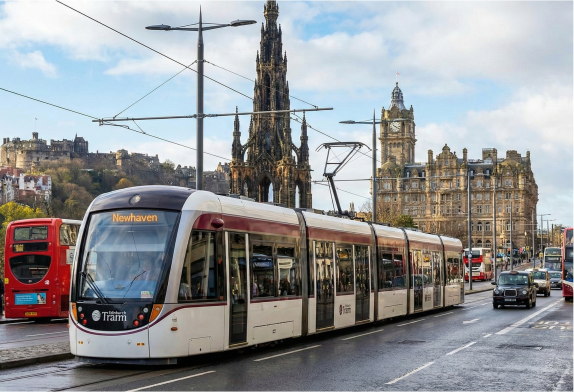
The city centre is compact and walkable, buses are frequent and easy to use, and the tram line quietly does its job without fuss. From Waverley Station, trains radiate out across the country, making it simple to reach coastal towns, historic sites, and even Highland gateways.
What surprises many visitors is how well Edinburgh works as a base. You can explore the city deeply, the Old Town, New Town, quieter neighbourhoods, and still head out on day trips without packing up and moving hotels.
Driving here often feels like more effort than it’s worth. Not driving feels like good planning.
Glasgow
Glasgow has a different rhythm. Bigger, friendlier, less polished, and extremely well connected.
Rail lines head west toward lochs and coastlines, north toward Highland scenery, and east to Edinburgh in under an hour. Inside the city, buses and local trains cover most areas with little drama.
Glasgow suits travellers who want easy access to scenery without staying somewhere overly touristy. It’s also a great starting point if you’re planning to explore the west of Scotland without driving.
Inverness
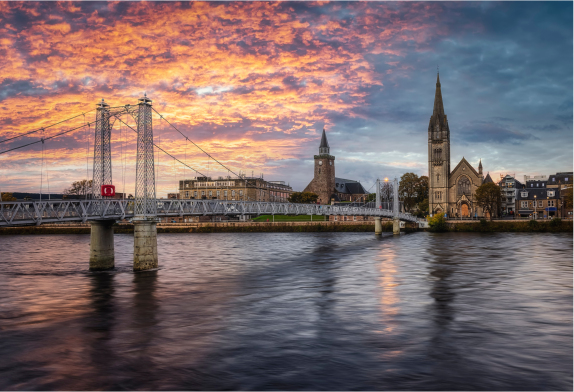
Inverness is where things start to feel properly Highland, and where public transport is still cooperative.
Trains and buses converge here, which makes it an excellent base for exploring Loch Ness, Culloden, and nearby Highland landscapes. Beyond Inverness, services exist but thin out quickly. Timetables matter more. Miss a connection, and you may be waiting a while (a long, long while).
If you want Highland scenery without driving, Inverness is usually the sensible northern limit.
Trains in Scotland: Not Just Transport, But the Experience
Scotland doesn’t have a dense rail network, but it makes up for it in drama. Some journeys are simply about getting from A to B. Others are the reasons you’ll remember the trip.
West Highland Line
This route is often described as one of the most scenic train journeys in the world, and, annoyingly, it deserves the praise.
Mountains rise close to the track. Lochs stretch out beside you. The weather rolls in and out without warning. You’ll see people quietly abandoning books and conversations, glued to the window instead. This is where travelling without a car doesn’t feel like a compromise at all. It feels like a choice.
Other main lines along the east and west coasts offer equally memorable views, especially if you enjoy cliffs, beaches, and seabirds doing absolutely whatever they like.
Train travel in Scotland isn’t just practical, it can be spectacular. And it works best when you let it set the pace. It’s not about covering ground quickly. It’s about letting the landscape unfold.
Routes like this are why many travellers rely on ScotRail rather than driving; the scenery deserves your full attention, not half an eye while navigating bends.
Buses: The Backbone of Rural Scotland (With Conditions)
Buses are essential in Scotland, especially outside cities. They’re generally clean, affordable, and run by people who know the roads far better than Google ever will.
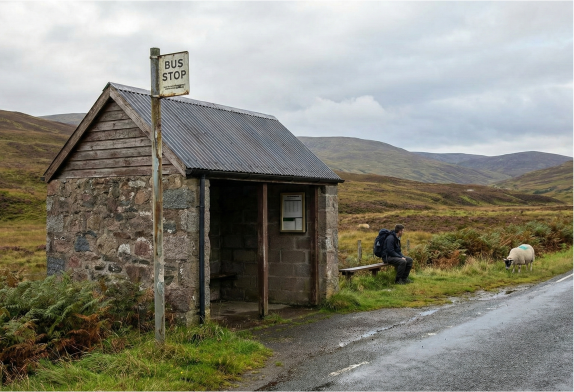
But buses come with expectations, and they expect you to plan. In large towns and cities, they’re frequent and forgiving. In rural areas, they’re reliable but limited. Some routes run once an hour. Others run a few times a day. Some change schedules depending on the season or the day of the week.
Things buses are good for:
Connecting towns where trains don’t go
Short-distance travel
Reaching popular, well-established routes
Things they are less forgiving about:
Tight schedules
Late finishes
Overly ambitious day plans
Buses don’t strand people often, but when they do, it’s usually because someone assumed there would “probably be another one”. This is where checking Traveline Scotland becomes essential. It gives the most accurate picture of routes, connections, and return times, which is where most car-free plans succeed or fail.
The Places That Sit in the Grey Area
This is where things get interesting, and occasionally unhinged. It's all down to your expectations!
Isle of Skye
You can reach Skye without a car. Trains and buses will get you there.
Once on the island, however, things slow right down. Public buses exist, but routes are limited and don’t always align with what visitors want to see. Many of Skye’s most famous and most beautiful locations sit well away from bus routes.
Visitors without a car often end up seeing fewer places, spending more time waiting, and realising too late that Skye rewards flexibility more than determination.
Skye works best without a car when transport is organised for you, or when you’re happy seeing less, slowly.
Glencoe
Glencoe is dramatic from the roadside, but the roadside isn’t the whole story.
Buses pass through the glen, and the views are impressive even from a window. But the quieter valleys, short walks, and subtle viewpoints that make Glencoe special are harder to reach without flexible transport.
You won’t leave disappointed. You might leave knowing there was so much more just out of reach.
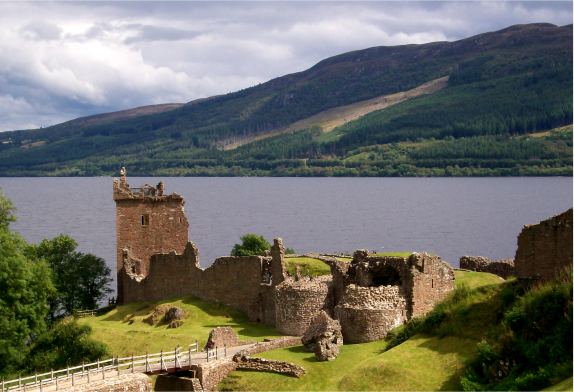
Loch Ness
Loch Ness is easy to reach but deceptively difficult to explore.
You can get to the loch by bus without trouble. Moving around it, visiting villages, viewpoints, and quieter stretches, is far more complex without a car or organised transport.
This is why many people enjoy Loch Ness most as part of a guided day rather than a DIY mission.
Where Plans Tend to Fall Apart
Most car-free disasters share a theme: trying to do too much, too quickly, too far from transport hubs.
Common mistakes include:
Treating Highland distances like city distances
Planning multiple rural connections in one day
Assuming services run late
Relying on “it looks close” logic
Scotland doesn’t punish curiosity, but it does punish rushed itineraries. This is where custom Scotland itinerary planning often saves people time, money, and stress, by aligning ambition with reality.
When Not Driving Becomes the Better Choice
Many visitors arrive determined to do everything themselves and leave quietly, admitting that not driving made the trip better.
Having transport organised, whether for a day, a region, or an entire route, removes friction. You spend more time where it matters and less time watching the clock.
Likewise, having a realistic itinerary built around how Scotland actually moves can turn a stressful plan into a relaxed one, without removing independence.
So… Do You Need a Car in Scotland?
Sometimes. Often not. It depends on where you want to go and how you want it to feel.
Cities, trains, and well-connected routes work beautifully without a car. Remote areas demand flexibility, either in transport or expectations.
Scotland doesn’t ask you to rush. It asks you to choose wisely.
Do that, and travelling without a car won’t feel like a limitation at all, just a different, often calmer, way to see the country.
Get In Touch
info@thescottishtourguide.com
+44 (0)7769691551
© 2025 The Scottish Tour Guide